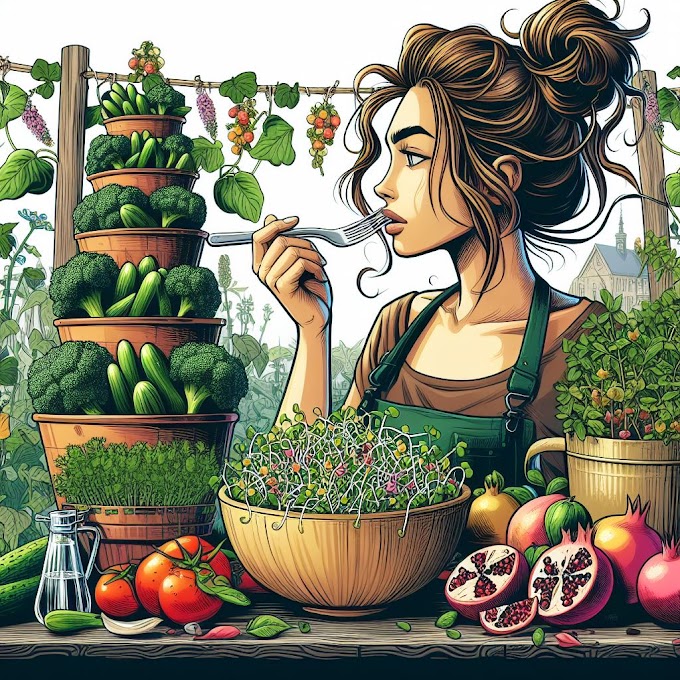
The Dirty Dozen: Pesticide Residue in Produce
Are you concerned about the potential health risks associated with pesticide exposure in your food? The Dirty Dozen is a list compiled annually by the Environmental Working Group (EWG) that highlights the twelve fruits and vegetables with the highest levels of pesticide residue. In this article, we'll delve into the Dirty Dozen, empowering you to make informed choices about your produce purchases and prioritize your health.
What is the Dirty Dozen?
The Dirty Dozen is a list of twelve fruits and vegetables identified by the EWG as having the highest levels of pesticide residues when conventionally grown. These residues can persist even after washing and are linked to potential health risks, including cancer, hormone disruption, and neurological problems.
The 2024 Dirty Dozen List:
1. Strawberries
2. Spinach
3. Kale
4. Nectarines
5. Apples
6. Grapes
7. Peaches
8. Cherries
9. Pears
10. Tomatoes
11. Celery
12. Potatoes
Why Does It Matter?
Consuming fruits and vegetables with high levels of pesticide residue can expose you to harmful chemicals that may negatively impact your health over time. While washing produce can reduce pesticide residues to some extent, certain pesticides penetrate the skin of fruits and vegetables, making them difficult to remove entirely.
How to Reduce Exposure:
1. Choose Organic: Opt for organic varieties of the Dirty Dozen whenever possible. Organic produce is grown without synthetic pesticides, reducing your exposure to harmful chemicals.
2. Wash Thoroughly: Even though washing may not eliminate all pesticide residues, it can still help reduce exposure. Use a produce brush and cold water to scrub fruits and vegetables with edible skins.
3. Peel Non-Organic: If unable to purchase organic produce, consider peeling fruits and vegetables with thick skins, such as apples and potatoes, to reduce pesticide exposure.
4. Diversify Your Diet: Rotate your fruit and vegetable choices to minimize repeated exposure to specific pesticides. Incorporate a variety of fruits and vegetables into your diet to promote overall health and reduce risk.
By familiarizing yourself with the Dirty Dozen and taking proactive steps to reduce pesticide exposure, you can safeguard your health and well-being while enjoying the nutritional benefits of fruits and vegetables. Whether opting for organic produce or implementing thorough washing practices, every small choice contributes to a healthier lifestyle.
Your Health, Your Choice:
Take control of your health by incorporating organic options and mindful practices into your daily routine. Together, we can create a healthier and more sustainable food system for generations to come.