How to Grow Vegetables in Small Spaces
Imagine being able to harvest your own homegrown vegetables right from your balcony, porch, or even a windowsill. Whether you’re living in a small apartment or just don’t have access to a large garden, you can still enjoy the satisfaction of growing your own food. With the right techniques, even the smallest of spaces can become a productive vegetable garden. Here’s how you can make the most of your limited space and grow vegetables right at home.
➡ 1. Choose Compact Vegetables
When gardening in small spaces, it’s important to choose vegetables that are suited to containers or compact garden beds. Some great options include lettuce, spinach, radishes, tomatoes, bell peppers, and herbs like basil or parsley. These plants don’t require as much room to grow and can thrive in smaller spaces.
➡ 2. Use Containers and Raised Beds
Containers are your best friend when gardening in small spaces. Almost any type of container will work, from traditional pots to repurposed containers like old buckets, crates, or even wooden boxes. Raised garden beds are another excellent option—they allow for better soil drainage and are easier on your back. With the right soil mix, you can grow a variety of vegetables in containers or raised beds.
➡ 3. Vertical Gardening
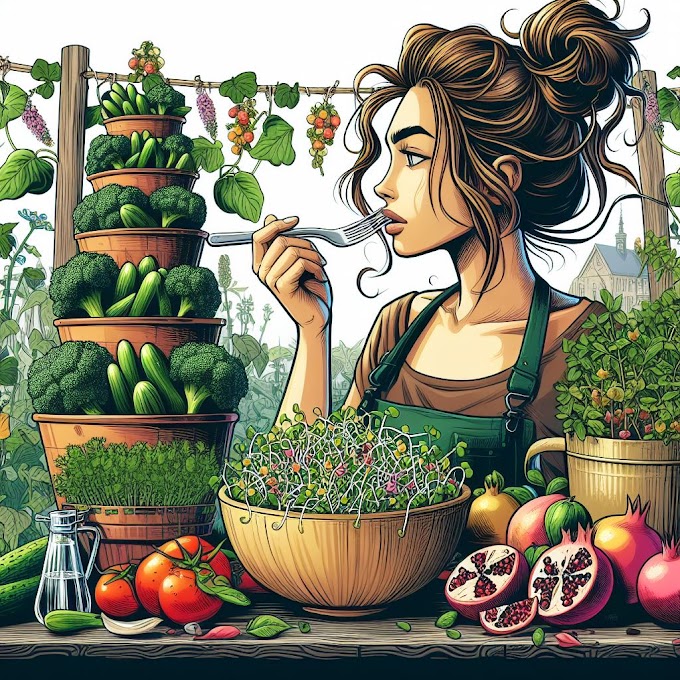
Make the most of your vertical space by growing vegetables that climb. Vining plants like tomatoes, cucumbers, and beans can grow up trellises or stakes, saving precious ground space. You can also use hanging baskets or wall-mounted planters to grow compact crops like strawberries or herbs.
➡ 4. Succession Planting
To make the most of your space, try succession planting. This involves planting quick-growing crops like radishes, spinach, or lettuce, then replacing them with slower-growing plants like tomatoes or carrots once they’re harvested. This allows you to maximize the use of your space and extend your growing season.
➡ 5. Ensure Proper Sunlight and Watering
Even in small spaces, vegetables need plenty of sunlight to thrive. Make sure your plants receive at least 6-8 hours of sunlight each day. If you’re growing indoors, place your containers near a sunny window or invest in grow lights. Be mindful of watering too, as small containers dry out quickly. Water deeply when the soil is dry to the touch, but make sure your containers have drainage holes to avoid waterlogged roots.
Bonus Tips:
Use compost: Enrich your soil with compost to give your vegetables the nutrients they need. This is especially important in containers, where nutrients can get depleted more quickly.
Consider container-friendly varieties: Look for dwarf or bush varieties of your favorite vegetables. These tend to take up less space but still produce a decent harvest.
Plant in layers: Interplant short-growing vegetables, like radishes, with taller ones, like beans, to make the most of your garden space.
Grow in a sunny spot: Even if your space is small, try to choose a location that gets the most sunlight throughout the day to ensure your vegetables thrive.
With a little creativity, even a tiny space can become a productive and beautiful vegetable garden. Growing your own veggies not only provides you with fresh ingredients but also gives you a sense of accomplishment and connection to the earth. Happy planting!